
Building healthier learning environments where every child can access safe water, practice good hygiene, and learn in dignity.
School Water, Sanitation and Hygiene (SWASH) means every pupil having reliable access to safe drinking water, functional and private toilets, and handwashing facilities with soap - at school, every day. Without it, children face real barriers to learning: unsafe or broken toilets discourage attendance, a lack of handwashing spreads preventable illness, and the absence of private, girl-friendly facilities can push girls to miss school altogether, especially during menstruation.
In October 2024, Afyaplus started the implementation the SWASH Infrastructure Renovation Project in Mbarali District, Mbeya Region. the project improved sanitation and hygiene conditions in four schools, benefiting thousands of pupils and teachers. Infrastructure on its own is not enough. That is why every SWASH intervention pairs new or renovated facilities with hygiene education, teacher and pupil training, and community engagement - so that the change is understood, valued and maintained by the people who use it every day.
Mbarali District, Mbeya
4 Schools
.jpg)
Before Afyaplus intervened, schools in Mbarali District faced conditions that put pupils' health, dignity and learning at risk.
Many schools had non-functional or dilapidated toilet facilities that posed health risks to students and teachers.
Most schools lacked proper handwashing stations with soap and clean water, increasing disease transmission.
Girls faced particular challenges due to lack of private facilities, especially during menstruation.
Pupils and teachers had limited access to structured hygiene education part of why Afyaplus later prioritized dedicated training programs.
Without clear maintenance systems in place, facilities were vulnerable to falling back into disrepair over time.
SWASH is not simply a construction project. Afyaplus works through eight connected stages with schools, students, teachers, parents, communities and local government — so that new facilities are used well, maintained, and owned locally.
Understand the school's WASH gaps and pupil needs on the ground.
Hear directly from pupils, teachers, parents and local leaders.
Plan solutions together with the school and community, not for them.
Renovate and construct WASH infrastructure to national standards.
Train teachers and pupils on hygiene practices and facility care.
Give pupils and staff the tools to lead hygiene promotion themselves.
Track facility use, condition and community engagement over time.
Hand over responsibility through maintenance systems and local ownership.
Afyaplus promotes community ownership rather than implementing projects without local participation. Communities in Mbarali District were involved throughout the SWASH project, including in:
Where SWASH clubs are established, pupils become "WASH Champions" — leading hygiene promotion among their peers rather than simply receiving it.
Club members teach classmates good hygiene habits in language pupils relate to.
Encouraging consistent handwashing at key moments during the school day.
Checking that toilets and handwashing stations stay clean and functional.
Speaking up for better WASH services and leading cleanliness campaigns.
The physical and human-centred work that made healthier schools possible.
.jpg)
Completely renovated and upgraded toilet facilities to meet national SWASH standards in all four schools.
.jpg)
Installed functional handwashing stations with continuous supply of soap and clean water.

Constructed girl-friendly toilets with privacy for menstrual hygiene management.

Conducted comprehensive training for teachers and students on proper hygiene practices.
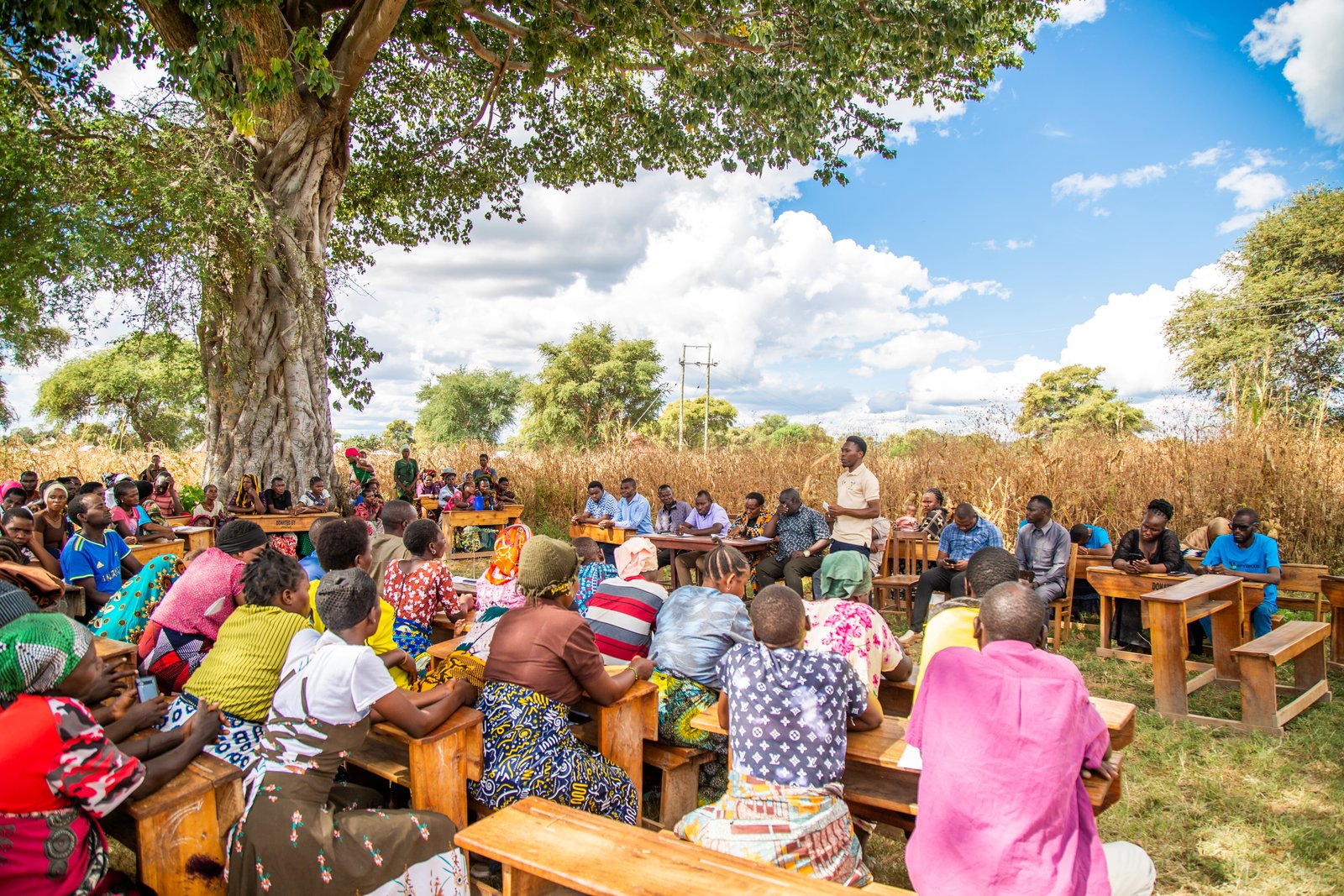
Organized awareness sessions with parents and community leaders to build support.

We distributed water tanks, constructed tank raisers, and built water systems in schools, improving WASH access.
We improve the physical environment.
We equip students, teachers and communities with practical knowledge.
We strengthen local responsibility for maintaining the gains.
Lasting WASH change happens when infrastructure, knowledge and ownership work together.
Drag the slider to compare. Add genuine before-renovation photographs from Afyaplus project records to complete this section — only verified project photographs should replace the placeholders below.
Toilet block renovation — national SWASH standard sanitation facilities.
Handwashing stations with continuous soap and clean water access.
Upgraded toilet facilities to meet national SWASH standards in all four schools.
Installed functional handwashing stations with soap and clean water access.
Constructed girl-friendly toilets with privacy for menstrual hygiene management.
Trained teachers and pupils on facility maintenance and proper hygiene practices.
Conducted awareness sessions with parents and community leaders to build support.
Established maintenance systems to ensure long-term functionality of facilities.
Click a stage to see what happened at each step of the Mbarali SWASH project.
Schools in Mbarali District were found to have broken toilet facilities, no handwashing infrastructure, and gaps in hygiene awareness — the starting point for the SWASH intervention.
Afyaplus engaged parents and community leaders early, building the awareness and support needed for the project to succeed.
Four schools in Mbarali District, Mbeya Region were assessed and confirmed for renovation and support.
With $23,000 in project funding secured, Afyaplus moved from planning into implementation. [Insert named funding partner(s) if applicable]
Toilet blocks were renovated to national SWASH standards, handwashing stations installed, gender-sensitive facilities built, and water storage systems (tanks and tank raisers) put in place — completed in October 2024.
Teachers and pupils were trained on proper hygiene practices and how to maintain the new facilities.
Maintenance systems were established to track facility condition and ensure long-term functionality.
Schools and communities took on responsibility for day-to-day care of the facilities — the foundation for sustained impact beyond the project's completion.
Genuine testimonials from students, teachers, parents and community members will appear here. Replace each placeholder with a verified quotation from Afyaplus project records before publishing.
[INSERT VERIFIED TESTIMONIAL]
[INSERT VERIFIED TESTIMONIAL]
[INSERT VERIFIED TESTIMONIAL]
Afyaplus acts as a bridge between community needs, technical solutions, institutional leadership and development partners.
Infrastructure alone doesn't last. Afyaplus builds sustainability through:
Pupils carry hygiene promotion forward day to day.
Facility care becomes part of school routine.
Established systems track condition and repairs.
Capacity building with education and health authorities.
Government and local leadership are essential to scaling sustainable WASH beyond individual schools. Afyaplus works with:
Your leadership can help move successful WASH models from individual schools to entire communities.
The journey does not end when a handwashing station is installed. It continues through behaviour change, maintenance, student leadership, community ownership, monitoring and continued investment. The success of the Mbarali SWASH project shows the power of combining infrastructure upgrades with education and community engagement — and Afyaplus remains committed to scaling these efforts to more schools.
Reach more schools facing similar WASH gaps in Mbarali District and beyond.
Support and grow student-led hygiene leadership in project schools.
Reinforce systems that keep facilities functional over the long term.
Track facility condition, use and community engagement more consistently.
Secure additional partnership and investment to scale what has worked.
Clean water, safe sanitation and good hygiene are not luxuries. They are foundations for health, dignity and quality education.
1562 Gangilonga Street, Iringa, Tanzania | +255 759 505 309 | info@afyaplustz.or.tz

.jpg)