Food and Nutrition Systems for Healthier Communities

Addressing the triple burden of malnutrition through sustainable, inclusive, and community-led interventions in Tanzania

The Nutrition Challenge in Tanzania

Tanzania faces a triple burden of malnutrition that undermines human development, economic growth, and social progress. This complex challenge requires integrated solutions that address all forms of malnutrition simultaneously.

The Triple Burden Explained:

Inadequate access to nutritious food affects physical and mental development, disrupts education, and reduces productivity and wellbeing. This burden disproportionately affects vulnerable groups including people living with HIV, people with disabilities, and people with mental health conditions.

Food insecurity and unequal access to healthy diets present significant challenges to achieving SDG 2: Zero Hunger. Without transformative action, malnutrition will continue to limit Tanzania's human and economic potential.

Nutrition Challenge

Undernutrition

Stunting affects 34% of children under 5, impairing cognitive development and future productivity.

Micronutrient Deficiencies

Iron, vitamin A, and zinc deficiencies affect millions, particularly women and children.

Overweight & Diet-related Conditions

Rising rates of obesity and non-communicable diseases linked to poor diets.

Why Food System Transformation Matters

Food System Transformation

Accelerating agrifood system transformation is essential for ensuring affordable and healthy diets as a human right. Sustainable food systems must be resilient to shocks, conserve natural resources, and preserve biodiversity.

Our Vision for Transformation:

  • Food systems that prioritize nutrition and health outcomes
  • Sustainable production that protects ecosystems
  • Equitable access to diverse, nutritious foods
  • Community-led solutions that respect local knowledge
  • Alignment with national and global nutrition agendas

Our approach aligns with Tanzania's National Multi-Sectoral Nutrition Action Plan and global commitments to ending all forms of malnutrition by 2030.

Afyaplus Approach & Interventions

We employ a multi-pronged strategy to address malnutrition through community empowerment, education, and sustainable food systems.

Nutrition Awareness & Education

Community and youth-focused nutrition education promoting dietary diversity beyond reliance on single food types.

Youth-Led Nutrition Interventions

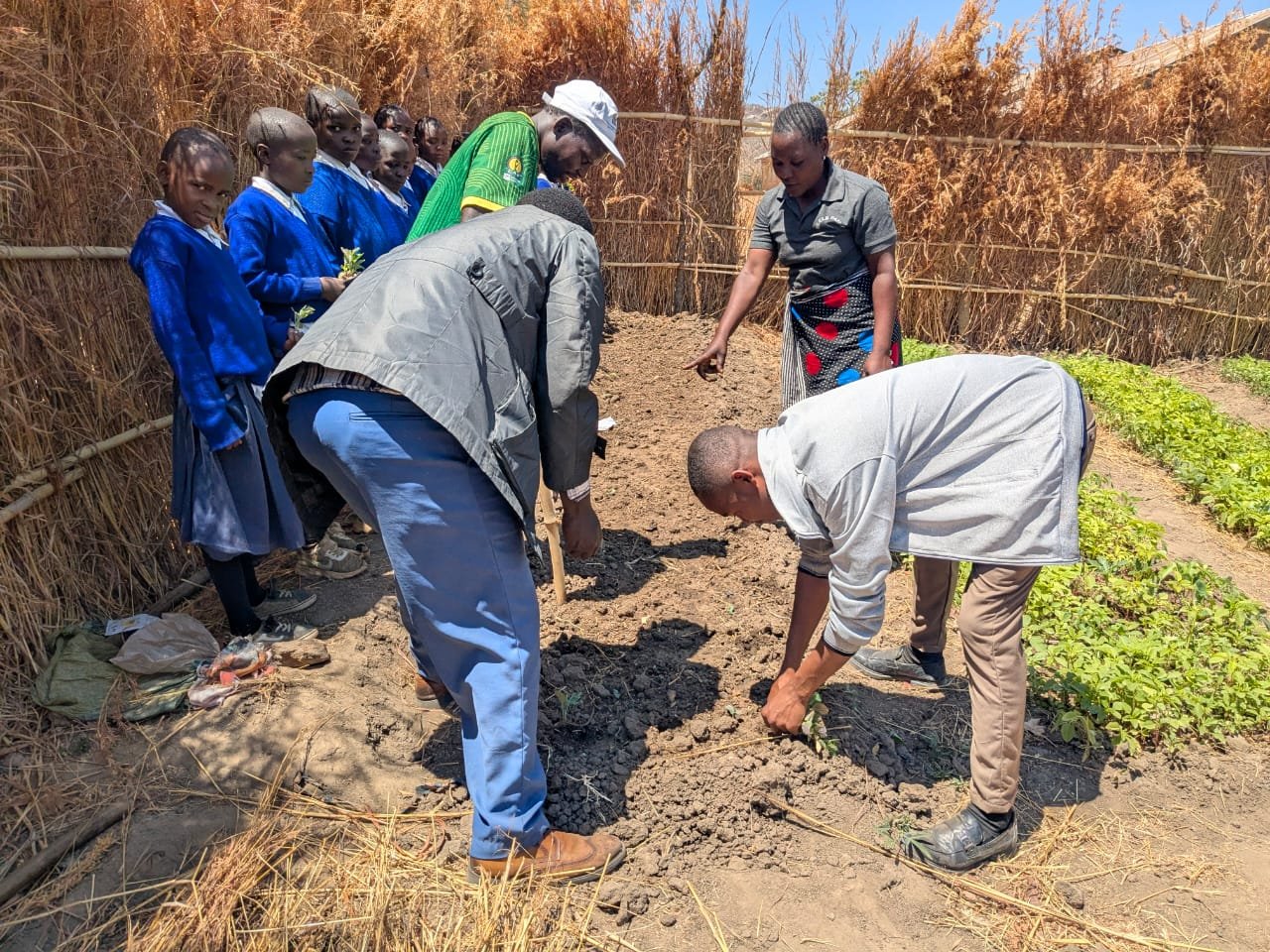
Engaging youth in nutrition awareness, practical food production skills, and home gardens management.

School-Based Nutrition Clubs

Establishing clubs focused on maintaining school gardens, nutrition awareness, and behavior change.

School-Based Nutrition Clubs in Action

Our school clubs connect garden-based learning with nutrition education, creating sustainable behavior change among students. School gardens serve as living classrooms where children learn about:

  • Growing diverse, nutrient-rich crops
  • Seasonal food production
  • Food preparation and preservation
  • The connection between diet and health

These clubs empower students to become nutrition ambassadors in their families and communities.

School Nutrition Club

Target Populations

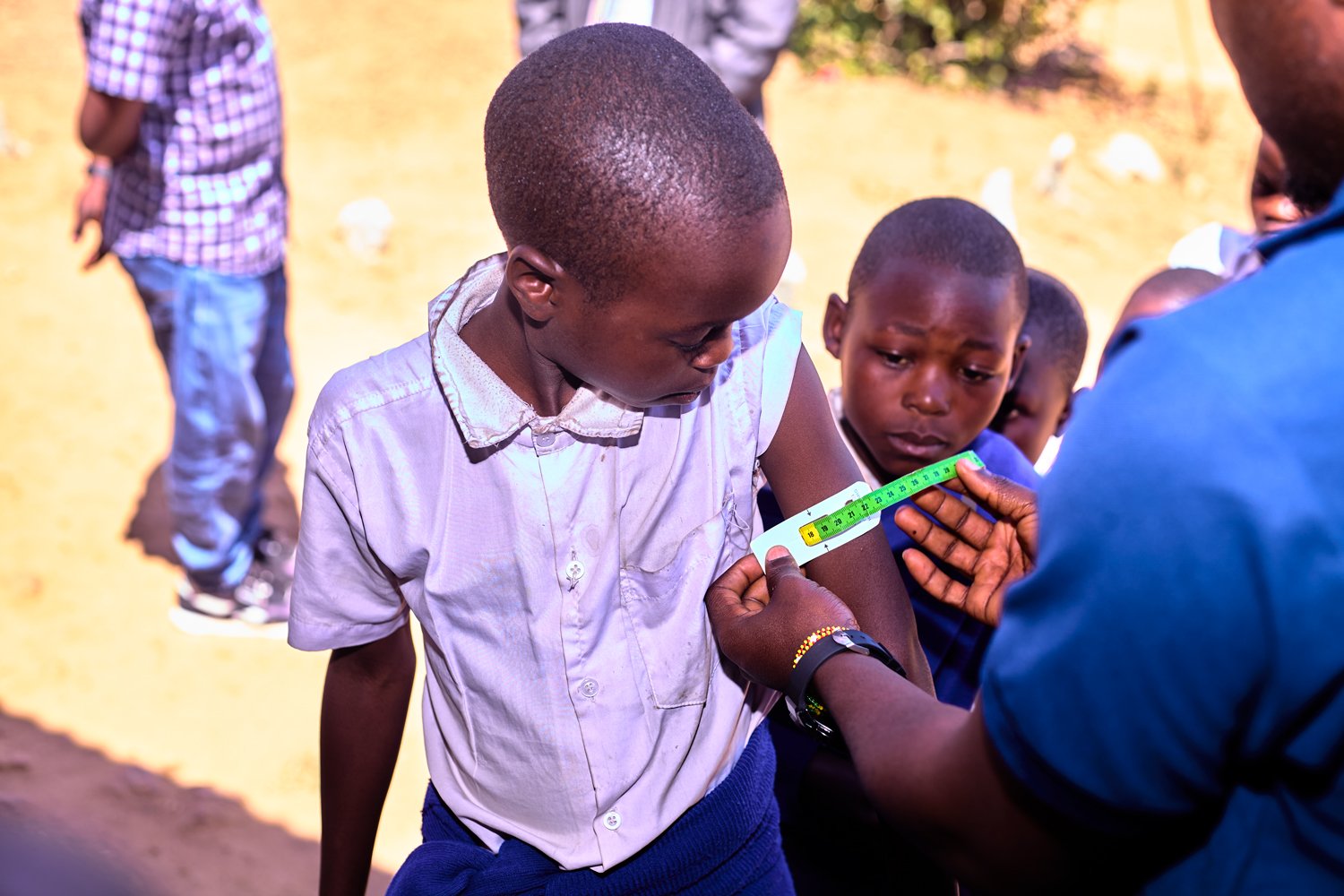
Our nutrition interventions prioritize vulnerable groups while recognizing that malnutrition affects all segments of society.

Infants & Young Children

Critical window for preventing stunting and cognitive impairment

Adolescents

Addressing nutritional needs during rapid growth and development

Pregnant & Lactating Women

Ensuring maternal nutrition for healthy pregnancies and breastfeeding

Youth

Engaging young people as agents of change in food systems

Policy & Strategic Alignment

Our nutrition work aligns with national and global frameworks to maximize impact and sustainability.

SDG 2

Zero Hunger

Our interventions directly contribute to Sustainable Development Goal 2: End hunger, achieve food security and improved nutrition, and promote sustainable agriculture.

We focus on targets 2.1 (access to safe, nutritious food), 2.2 (end all forms of malnutrition), and 2.4 (sustainable food production systems).

NATIONAL

National Multi-Sectoral Nutrition Action Plan

Our work aligns with Tanzania's NMNAP (2016–2021) priorities, focusing on multi-sectoral approaches to address malnutrition across health, agriculture, education, and social protection sectors.

We support the government's goals for reducing stunting, wasting, anaemia, and low birth weight.

MIYCN

Maternal, Infant & Young Child Nutrition

We promote exclusive breastfeeding for the first 6 months, appropriate complementary feeding, and continued breastfeeding for 2 years or beyond.

Our community-based approach supports optimal nutrition during the first 1000 days—from pregnancy to a child's second birthday.

Impact & Outcomes

Through our community-led approach, we're making measurable progress toward better nutrition for all.

5,000+
Youth Reached with Nutrition Education
45
Schools with Active Nutrition Clubs
1,200+
Households Practicing Home Gardening
18
Communities with Improved Nutrition Awareness
Nutrition Impact

Measuring Success Beyond Numbers

Our impact extends beyond statistics to meaningful changes in knowledge, attitudes, and practices:

  • Increased consumption of diverse, nutrient-rich foods
  • Improved knowledge of nutrition during pregnancy and early childhood
  • Enhanced food production skills among youth and women
  • Stronger community support systems for vulnerable households
  • Greater integration of nutrition considerations in local planning

We track both quantitative outcomes and qualitative changes to ensure our interventions create lasting transformation.