Time lost fetching water
Long journeys to water sources placed a heavy burden on households, especially women and girls who often carry responsibility for collecting water.

A community-centred journey to transform access to clean and reliable water in Mangalali turning a long-standing water challenge into a story of health, dignity, opportunity and hope.
For decades, Mangalali relied on the Tanangozi water scheme, a water supply system that is more than 60 years old and serves nine villages. As the population and demand for water increased, the existing system became increasingly inadequate to meet the needs of Mangalali. Water availability was intermittent, with households at times receiving water only once a week for approximately 2–3 hours.
The shortage was more than an infrastructure problem. It affected household routines, women’s time, children’s opportunities, health and local economic activity. Families could spend hours walking several kilometres in search of water.
Afyaplus and Engineers Without Borders Michigan State University Chapter began from the community’s needs: understand the challenge, listen to residents, assess existing systems, identify practical solutions and build a water system that the community can help own, operate and sustain.
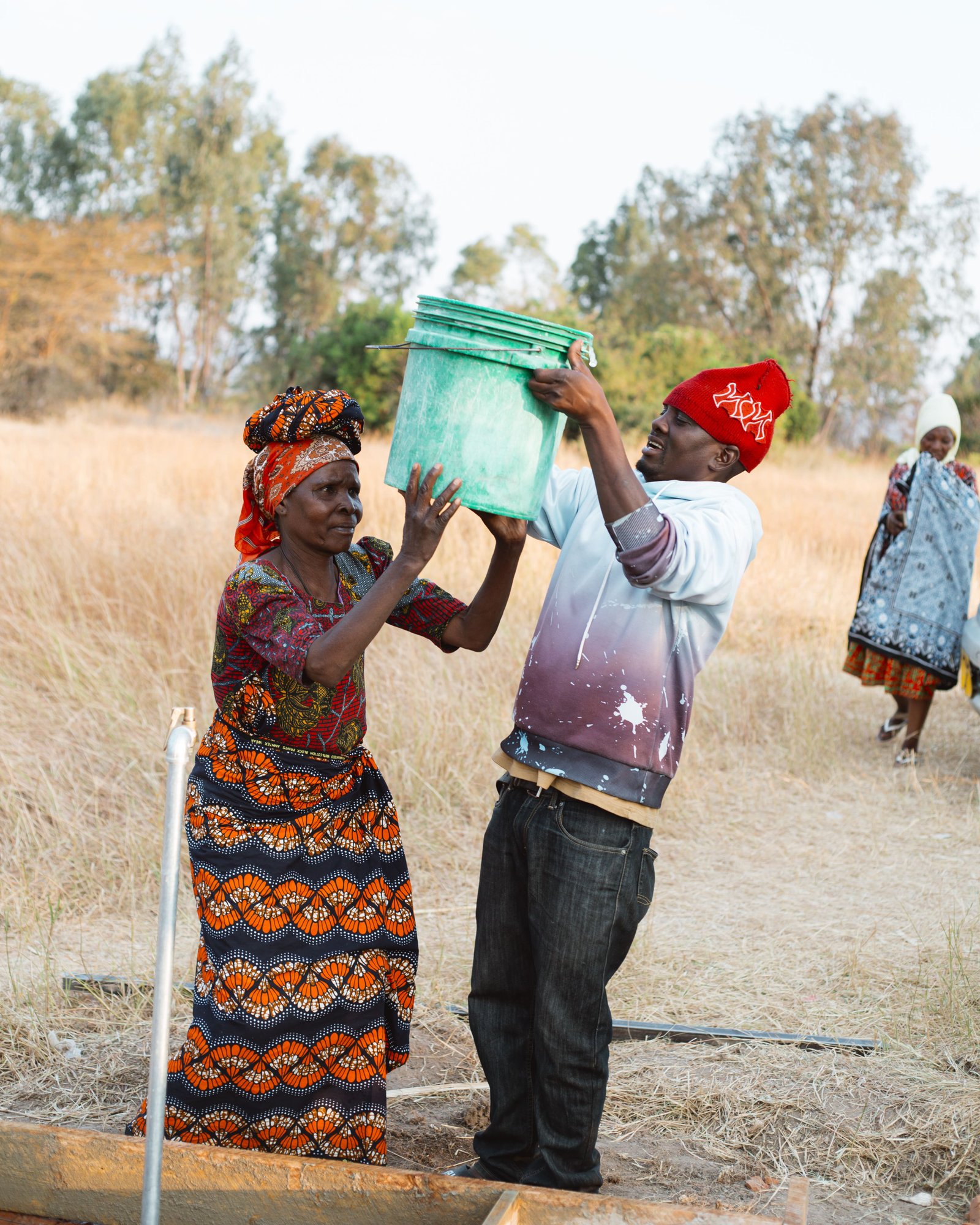
.jpg)
“We say water is life. Now, the water flowing here gives us hope that our community can move forward.”
— Community voice from MangalaliThe project responds to a need that affects health, time, livelihoods, education and development.
Long journeys to water sources placed a heavy burden on households, especially women and girls who often carry responsibility for collecting water.
Reliable water is essential for handwashing, household hygiene, sanitation and healthier living environments.
When water is available closer to homes and public spaces, families have more time and opportunity for education, farming, enterprise and community activities.
These milestones show the physical progress behind the wider goal: reliable, sustainable and community-owned water access.
Reaching more than 4,000 community members with improved access to safe water.
Storage capacity supporting distribution through the developing network.
Interim points installed near the school and borehole area for nearby residents.
3 primary schools, 1 local market and 1 dispensary, benefiting the Mangalali community through access to safe and clean water.
The project has grown through assessment, partnership, engineering, community participation and practical implementation.
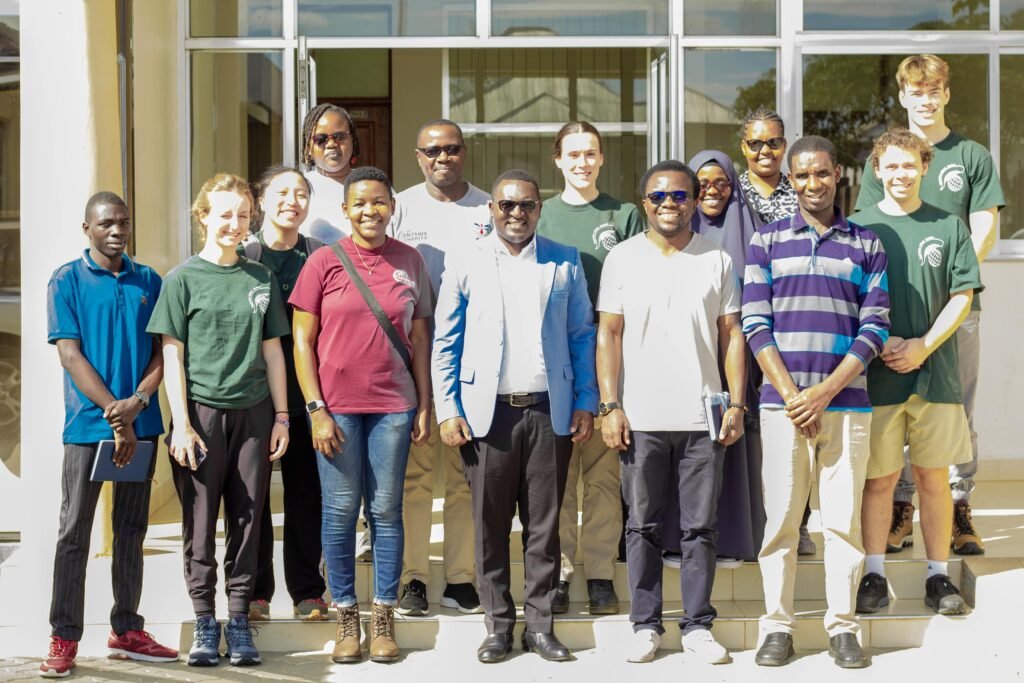
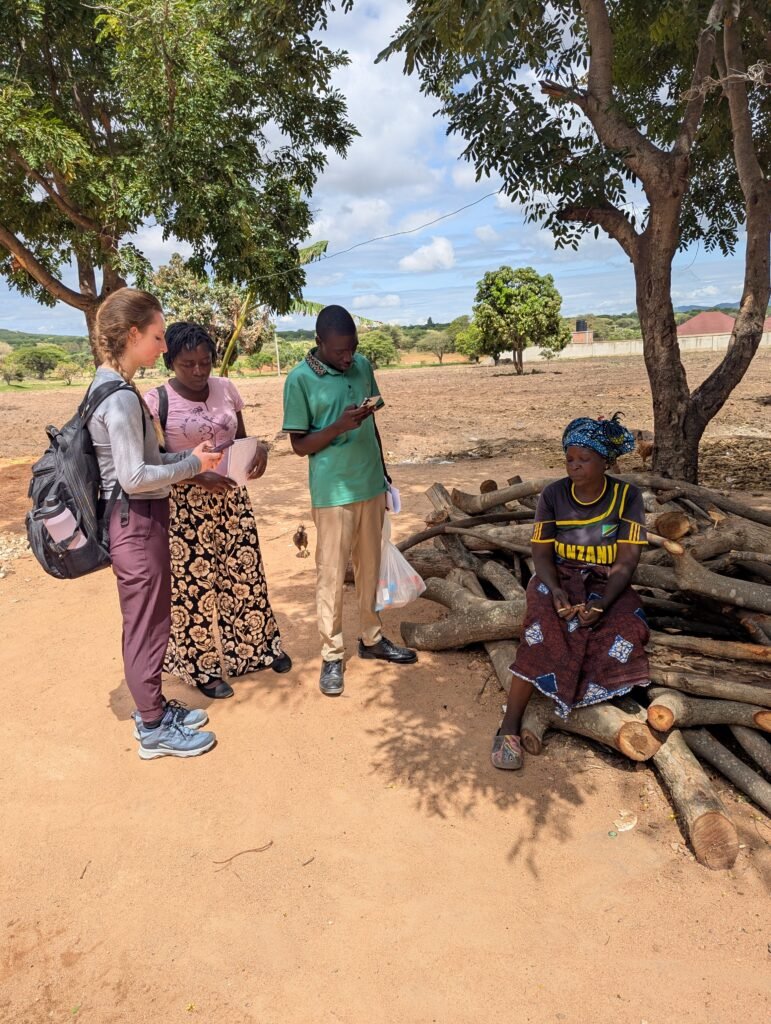
Initial assessments included site visits, community consultations, mapping of water sources, review of the Tanangozi scheme, WASH assessment and water-quality related activities. The process helped identify priorities before infrastructure decisions were made.
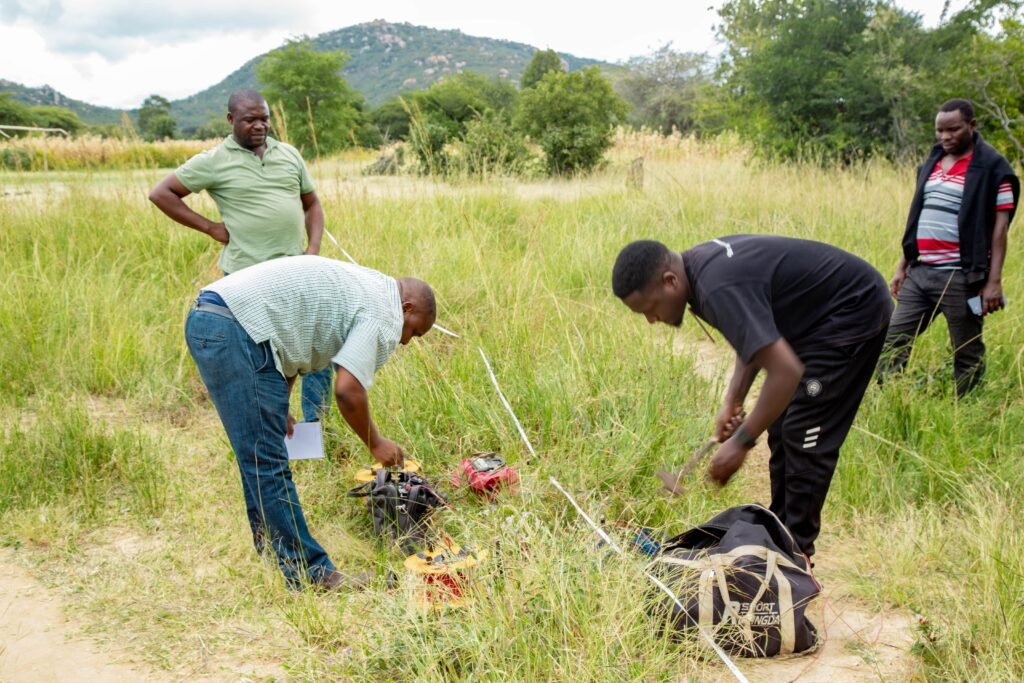
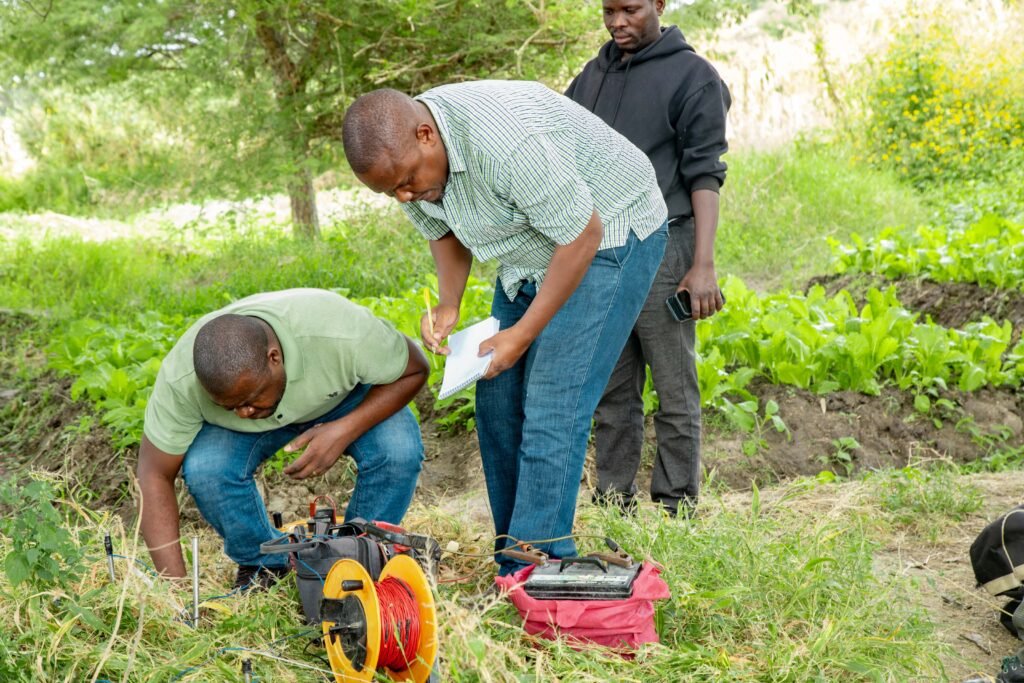
A hydro-geological assessment was undertaken with technical support to identify a suitable borehole location and inform the development of a more reliable water source.
Drilling began on 5 August. The borehole was developed to 120 metres and fitted with a 7.5 HP electric pump. Pipework, electrical connections, pump-house infrastructure and the main 40,000-litre storage tank were incorporated into the developing distribution system.
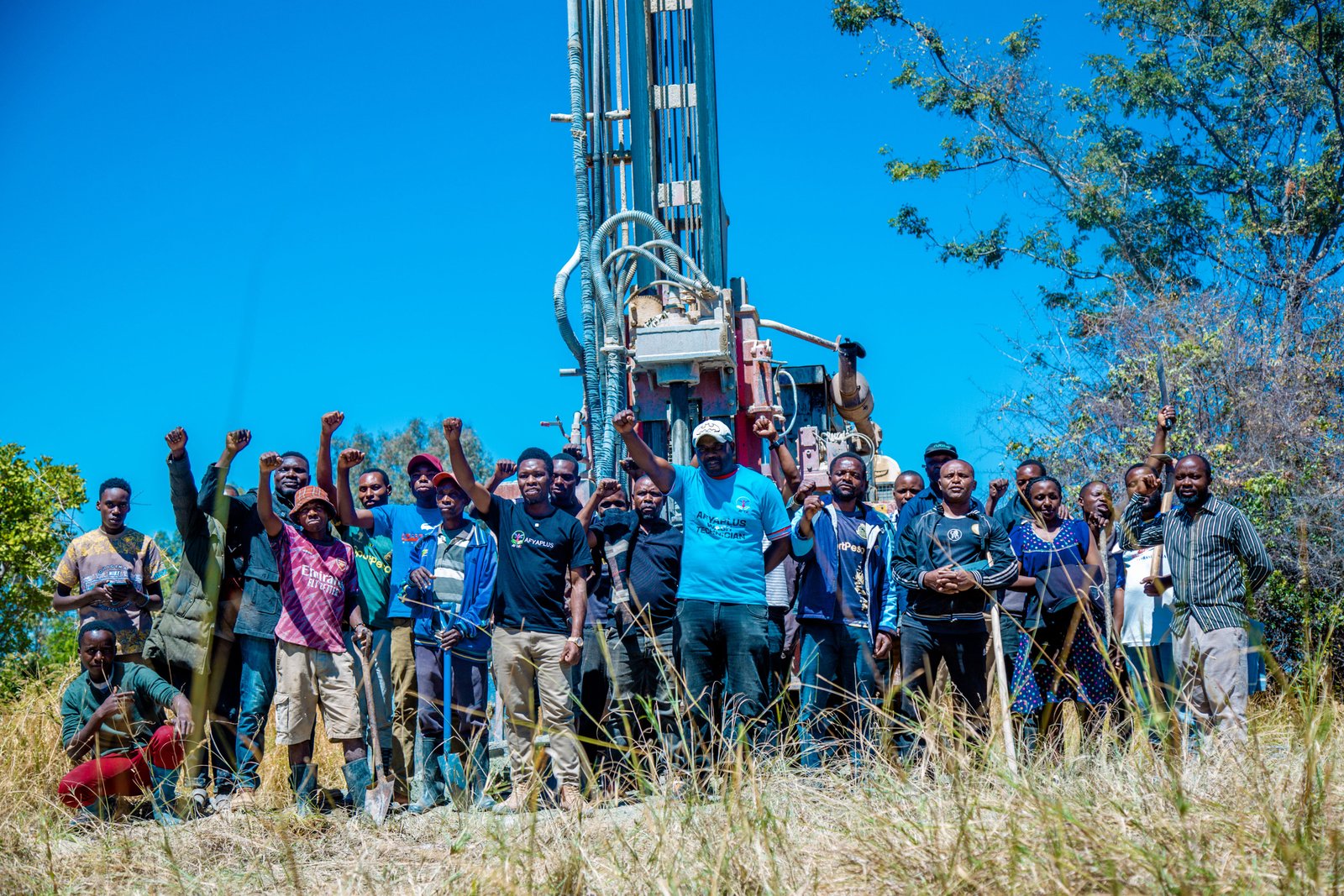
.jpg)
Two interim water points were installed one near the school and another near the borehole site to improve access for nearby residents while the wider distribution network continues to develop. Additional residential points have been assessed for renovation and expansion in a subsequent phase.
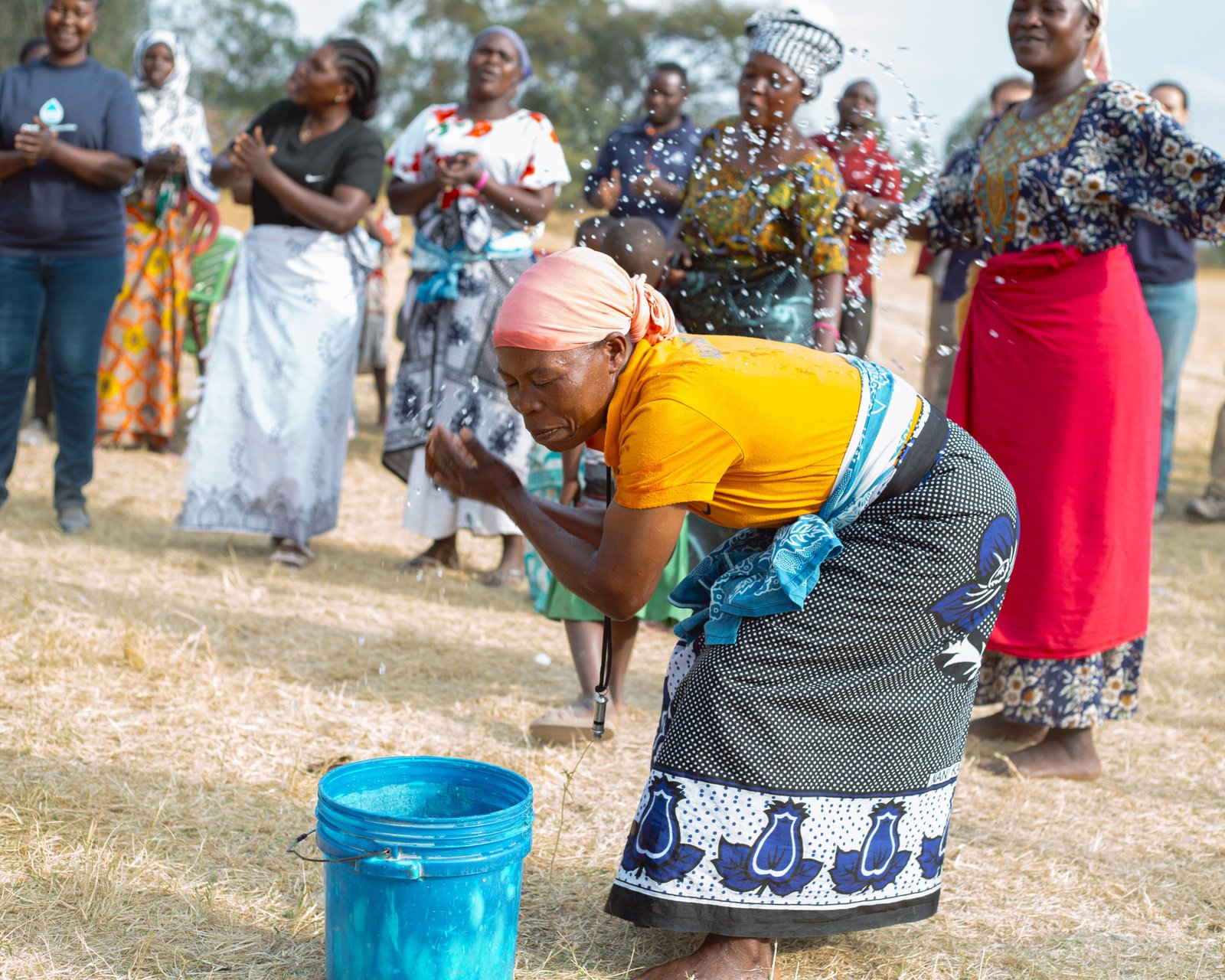
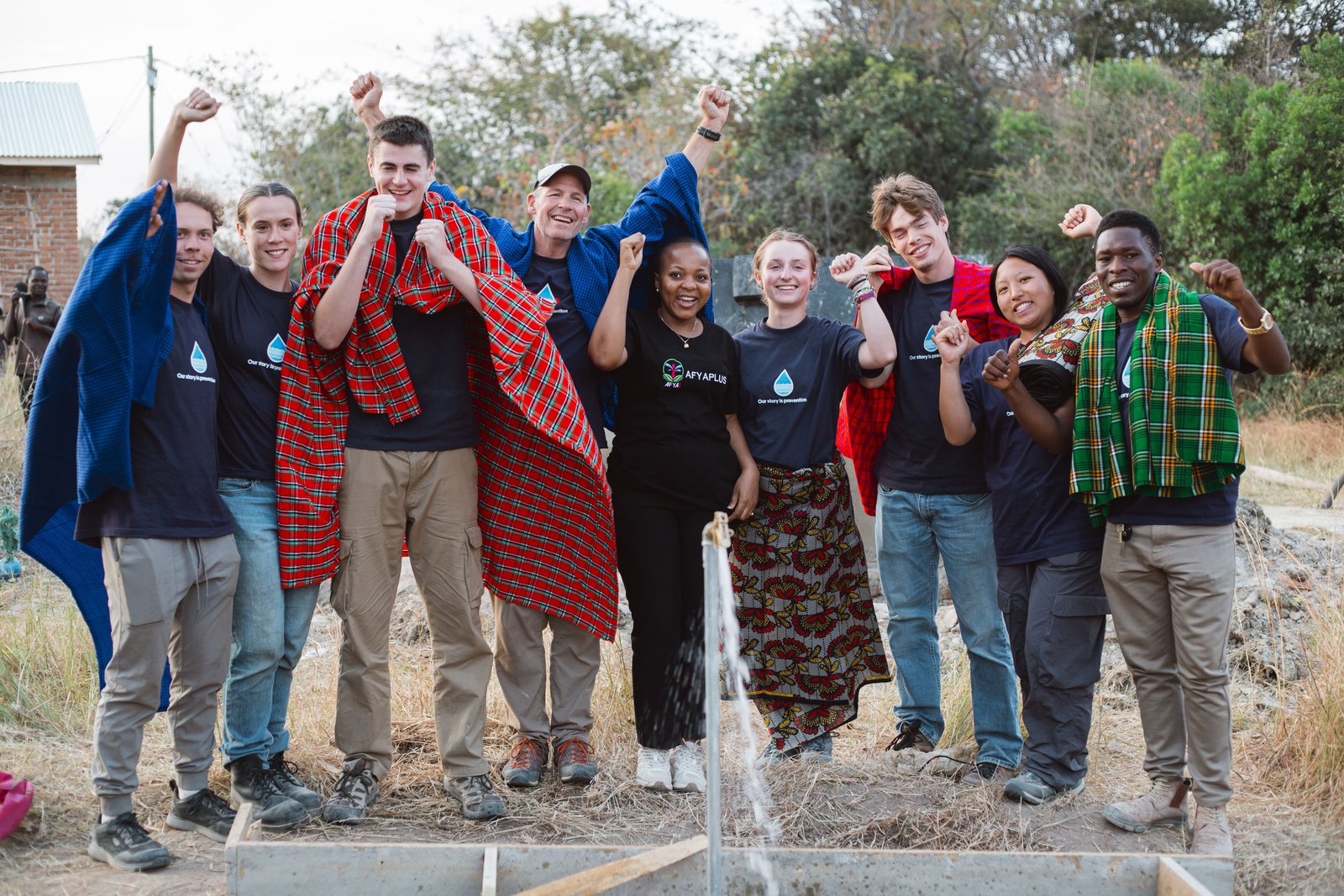
Infrastructure is only part of sustainability. Awareness sessions promote hygiene, sanitation and responsible water use, while the water committee is being supported to understand the system, operations, maintenance responsibilities and the importance of protecting the investment.
The infrastructure combines groundwater access, pumping, storage, distribution and local management.
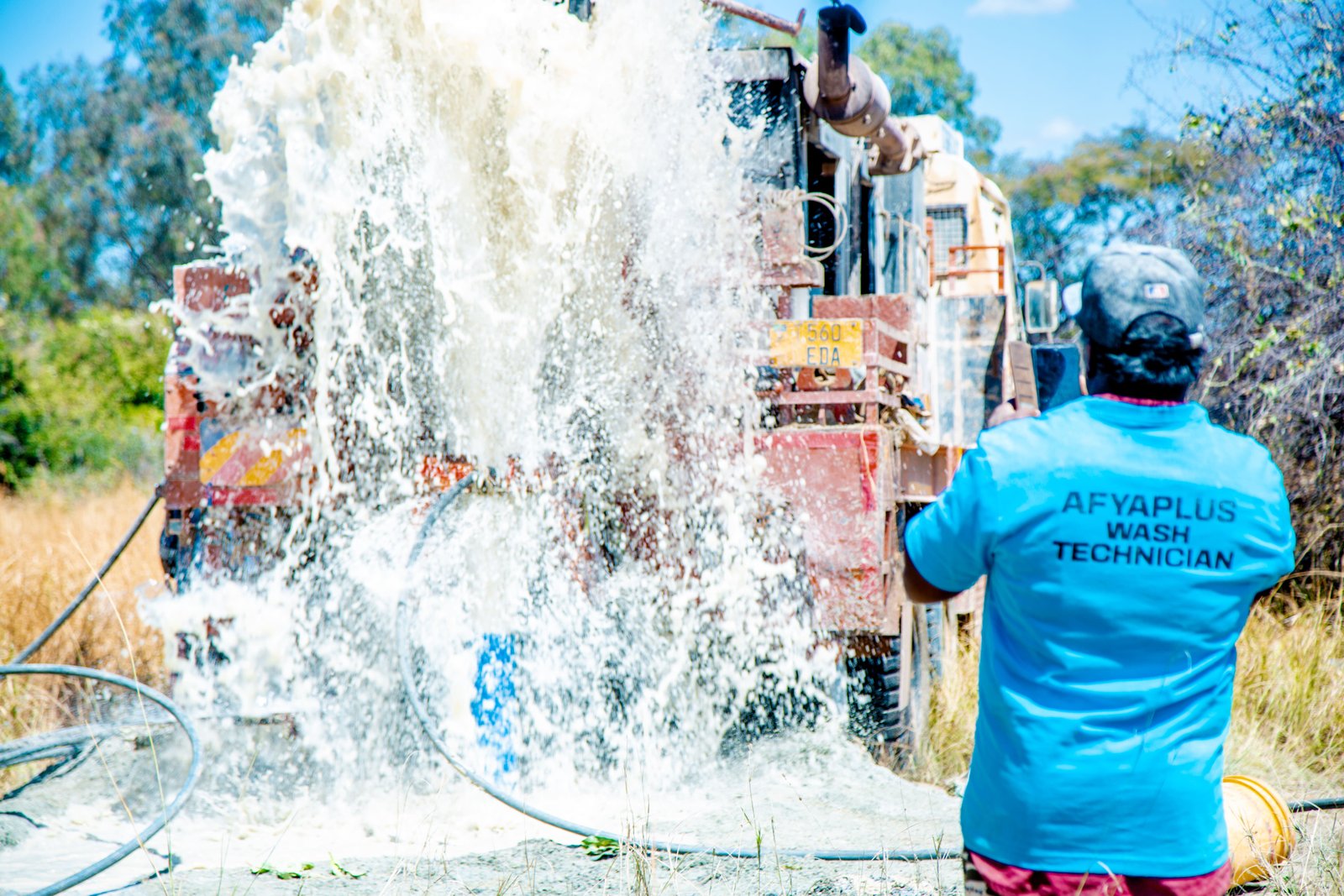
The 120-metre borehole provides the new source, with a 7.5 HP electric pump designed to move water towards the main storage system.
.jpg)
The 40,000-litre main tank and distribution network are intended to make water more accessible and dependable for households and community facilities as implementation progresses.
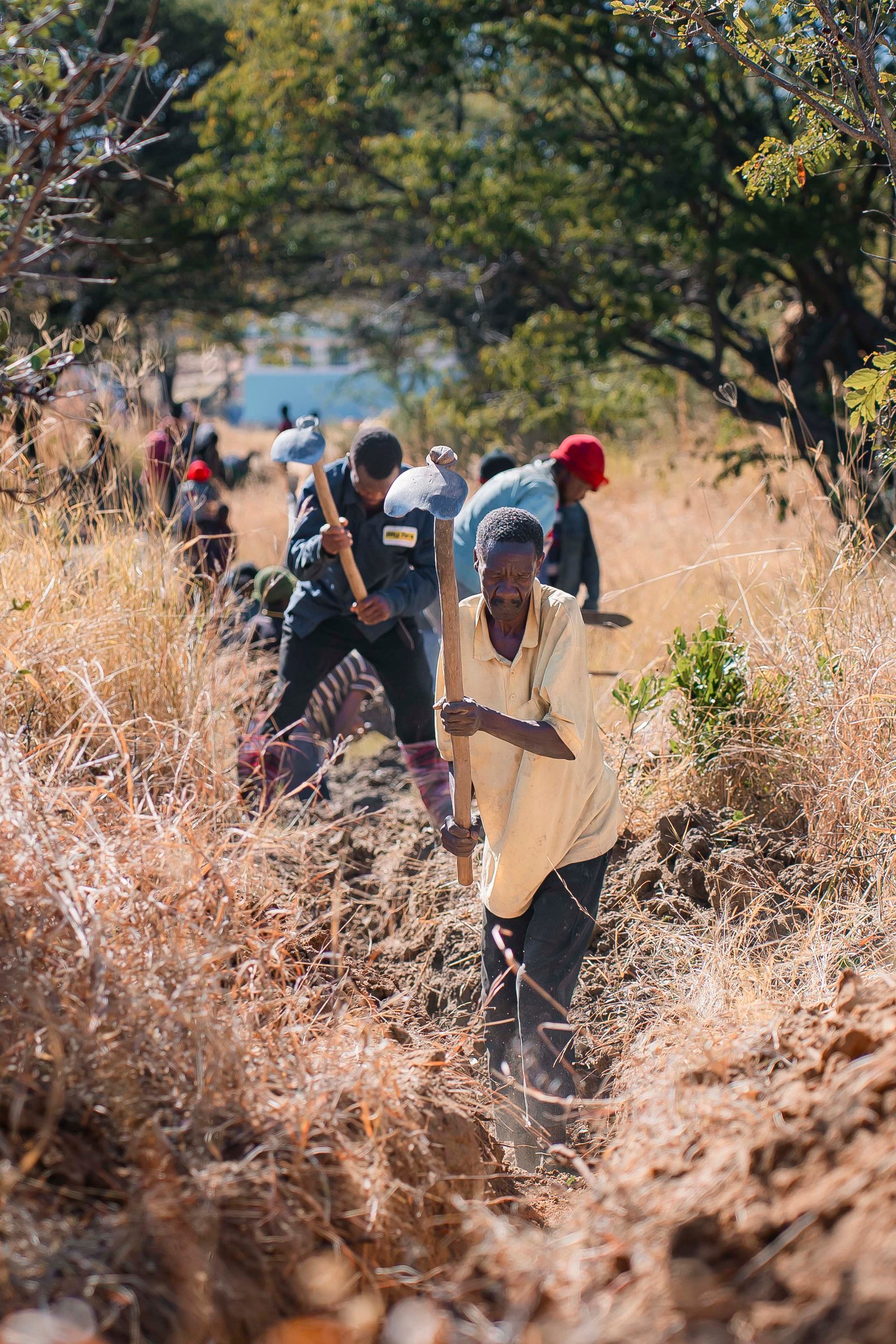
From needs assessment and consultation to trenching, backfilling, plumbing, installation and discussions around water-point maintenance, the project has been shaped around local needs and participation. The Mangalali community contributes 5% of capital construction costs and provides in-kind support during implementation, including local labour and other resources. The approach also looks beyond construction by strengthening local responsibility for operations and maintenance. The goal is simple: create a system that people can access, understand, protect and sustain not simply a project that is built and left behind.
Most important measure of progress is what water access means to the people who live here.
We used to walk more than three to four kilometres in search of water. This affected our livelihoods, especially women who spent a lot of time walking long distances. Now, we are determined to protect the water that flows here.
— Mangalali community voiceThis water is more than a new infrastructure point. It represents health, peace, joy, dignity and the possibility of spending more time on activities that help families and the community develop.
— Community perspectiveCommunity quotations are presented as project storytelling based on recorded community reflections. Individual names can be added where consent and attribution are confirmed.
Sustainability depends on both the system and the people who use and manage it.
Alongside the hardware, the project includes awareness and learning activities in schools and the wider community.
Local capacity is essential for keeping water flowing after construction.
Mangalali's water journey is strengthened by collaboration between the community, government authorities, technical institutions and development partners.
Afyaplus coordinates local implementation, community engagement, logistics, capacity building, monitoring and the connection between partners and the community.
EWB Michigan State University provides engineering collaboration, technical input, project design and construction support, alongside project-specific training.
Government engagement helps align implementation with local development priorities, provides institutional guidance and strengthens coordination at district level.
Collaboration with the district water authority supports technical oversight, guidance and coordination around water supply infrastructure and sustainability.
Academic and technical collaboration supports field activities, data collection, water-related technical work and practical learning.
The community contributes resources, labour, local knowledge and ownership helping ensure the system responds to real needs and can be sustained.
Every image carries part of the Mangalali story: people, engineering, participation and the work behind a flowing water point.
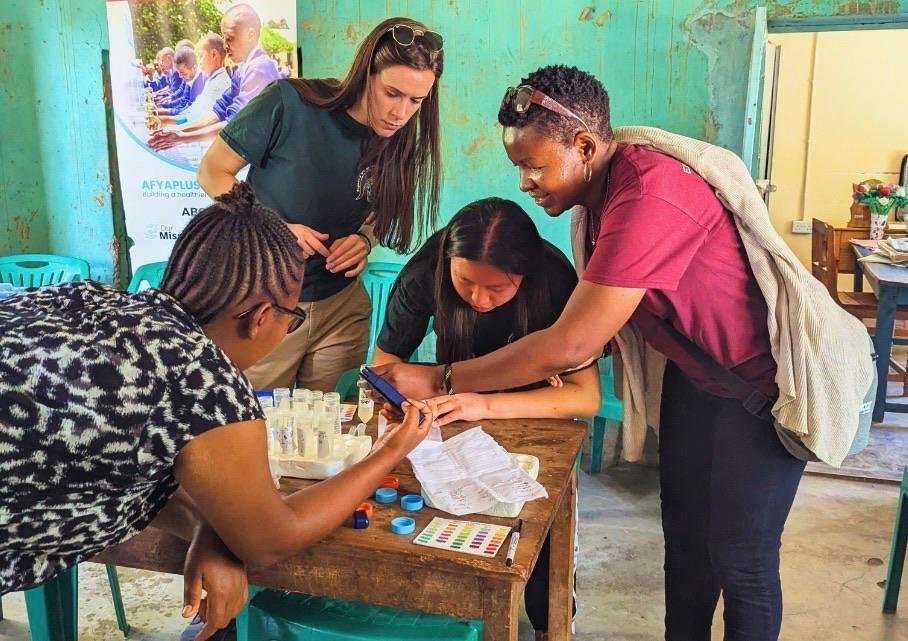 Partnership in actionListening to the communityField assessmentFinding the sourceTechnical assessment
.jpg) Implementation
Implementation.jpg) Community engagement
Community engagement (1).jpg) Working
WorkingMangalali's transformation is still in progress. More distribution points, continued WASH education, stronger local O&M systems and sustained community ownership are part of the journey ahead. We invite donors, institutions, technical partners and individuals to join Afyaplus in expanding this effort.